
Scammer Phone Number Lookup
CatfishNumber is a reverse phone lookup tool for checking unknown or suspicious phone numbers. Search a number to review caller information, carrier details, line type such as mobile or VoIP, and reported scam activity before you respond.
How CatfishNumr Works
CatfishNumr is a reverse phone lookup tool that connects phone numbers with public records, carrier data, online activity, and fraud signals. It organizes these findings into a simple 3-step report for investigating unknown or suspicious phone numbers.

1. Enter a Suspicious Phone Number
Enter a phone number connected to an unknown caller, suspicious text message, voicemail, missed call, dating profile, or online marketplace listing. CatfishNumr uses the number as the starting point for the reverse lookup.

2. Scan Public Records & Carrier Data
CatfishNumr checks available telecom records, public web sources, and fraud-related data across the US, UK, Canada, Australia, and Europe.
- Digital Footprints: Social profiles, usernames, and online mentions linked to the number
- Profile Media: Profile photos and avatars associated with online accounts
- Data Breaches: Exposed records and historical directory information
- Line Information: Carrier, line type, routing data, and possible VoIP or burner-number signals

3. Review the Phone Number Risk Report
CatfishNumr organizes the collected data into one report. Review available identity signals, phone number details, online activity, and community spam reports to decide whether to answer, block, or report the number.
CatfishNumber Scammer Finder Features & Capabilities
CatfishNumber delivers technical transparency into unknown phone numbers, cross-referencing carrier routing data, public registries, and fraud databases in real time.

1. Scam, Spam & Fraud Number Check
Evaluate unknown callers before answering or replying by checking public databases for phone fraud, phishing texts, and automated robocalls.
- Community Reports: Real-time user complaint histories and spam flags.
- Risk Scoring: Flags aggressive telemarketing and deceptive dialers.
2. Caller Identity & Name Intelligence
Query public records, directories, and corporate listings to reveal available names, aliases, and businesses connected to the number.
- Identity Cross-Reference: Compare caller names with claimed stories.
- Impersonation Defense: Detect fake identities and online catfish profiles.

3. Reputation & Community Reports
Review community complaint records, threat feeds, and discussion archives from trusted anti-spam databases across the globe.
- Pattern Tracking: Detect recurring spam, harassment, and telemarketing.
- Multi-Source Intel: Deep caller context beyond basic Truecaller lookups.
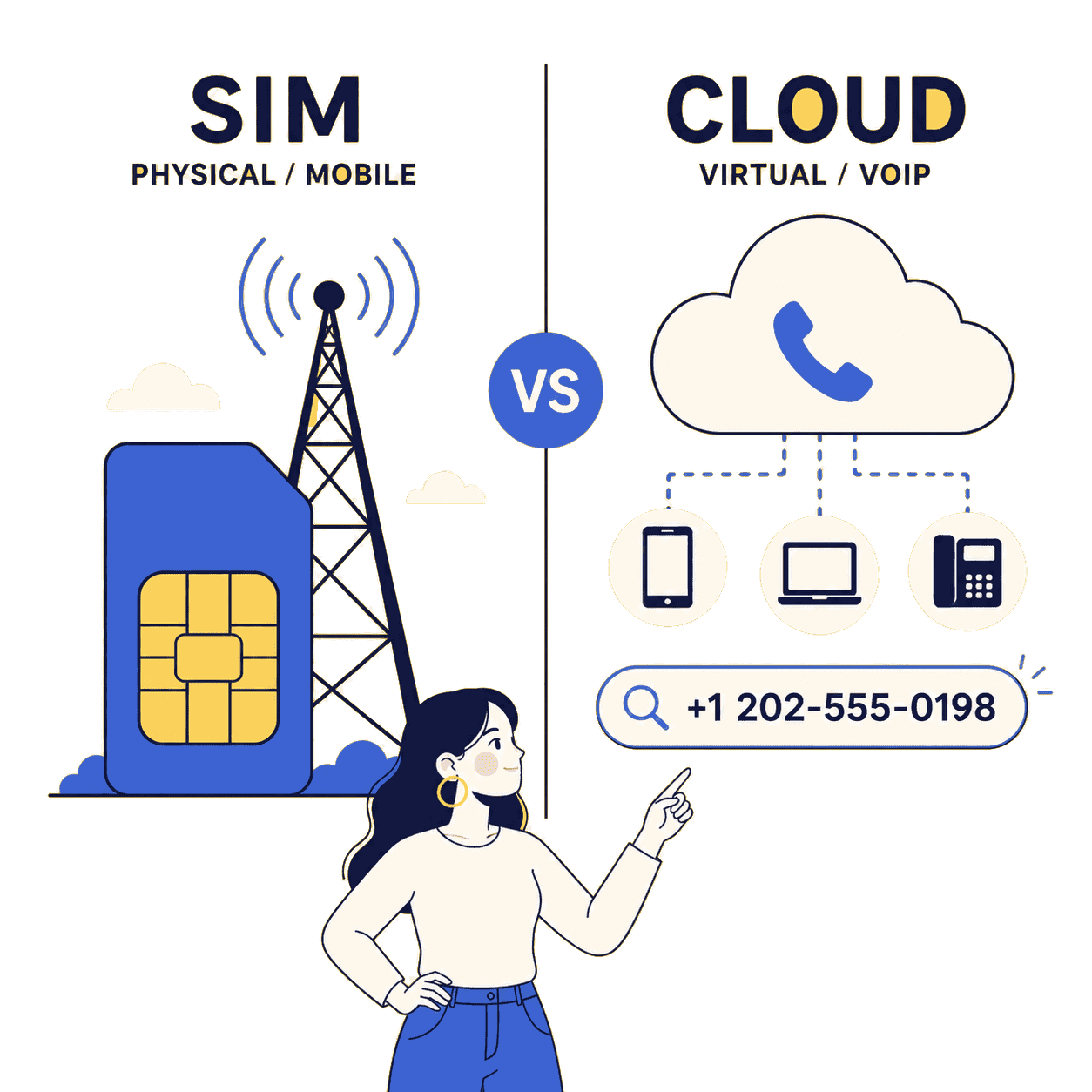
4. Carrier & Line-Type Verification
Discover hidden telecommunication signals by inspecting carrier networks, operating telcos, and underlying routing protocols.
- Line Classification: Detects Mobile, Landline, VoIP, and Toll-Free.
- Burner App Detection: Flags virtual numbers in the US, UK, CA, AU, & EU.

5. Country & Location Consistency
Compare international dialing prefixes, regional area codes, and telecom data with the location the caller claims to operate from.
- Mismatch Detection: Exposes foreign routing behind domestic numbers.
- Dating & Job Safety: Uncovers fake job offers and online dating catfishers.

6. Identify Scam Patterns & Fraud
Identify whether a phone number matches known fraud category signatures before clicking links or sharing personal information.
- High-Risk Categories: Fake bank alerts, crypto scams, & romance fraud.
- Phishing Prevention: Protects against malicious prize links and spoofing.
Get to Know CatfishNumber Scammer Identifier
Learn how CatfishNumber evaluates caller risk, detects spoofed lines, and exposes telecommunications fraud.
1. How does CatfishNumber identify whether a number belongs to a scammer?
CatfishNumber cross-references unknown numbers against real-time fraud registries, carrier routing tables, and community complaint databases. The intelligence report reveals historical scam warnings, telemarketing flags, VoIP line classifications, and the underlying public sources behind each reported threat.
2. Does a clean search result guarantee that a caller is completely safe?
A clean report indicates that no prior scam complaints or blacklisted records exist in public databases at the time of the query. Newly activated numbers or targeted spoofing operations may not yet have recorded complaints. Users should remain cautious if an unknown caller requests urgent payments, verification codes, or personal data.
3. What if CatfishNumber finds no connection to the company the caller claims to represent?
Treat unverified corporate claims as suspected impersonation fraud. If CatfishNumber reveals a mismatched line type (such as a personal mobile or virtual VoIP burner) for a caller claiming to represent a bank or tech support service, do not share passwords, 2FA codes, or remote desktop access. Contact the organization directly through its verified website.
4. Can CatfishNumber detect recycled numbers and what should I do if fraud is found?
Yes. CatfishNumber identifies shifts in carrier routing, historical name associations, and previous spam records that indicate a recycled line. If a lookup reveals active scam associations or suspicious ownership history, block the number immediately and avoid clicking any links sent via SMS.
Ready to Check an Unknown Phone Number?
Verify caller context, carrier info, line type, and reported scam activity before you pick up or reply.