
CatfishNumber and SpyDialer are both reverse-search number tools that identify unknown callers, but they differ in capabilities and features.
One tool is free, and the other is paid. Which one is best for looking up callers? Here’s a side-by-side comparison between CatfishNumber and SpyDialer.
| Category | CatfishNumber | SpyDialer |
| Coverage | 100+ countries | US only |
| Ease of use | Neat UI | Ads & pop-ups |
| Pricing | Paid per lookup | Free |
| Data quality | More accurate | Basic |
| Spam reports | ✅ | ✅ |
What’s the Difference Between CatfishNumber and SpyDialer?
The most important difference between the two tools is that CatfishNumber is paid, and SpyDialer is completely free.
However, the price point impacts the effectiveness and ease of use of the reverse number search engines across 4 categories:
1. Global Coverage:
CatfishNumber works for international numbers and American ones (100+ countries), whereas SpyDialer can be used for US numbers only.
2. Ease of Use:
SpyDialer’s page is a bit overwhelming because of the many ads. I found that CatfishNumber’s page was overall easier to navigate and had less clutter.
3. Payment Plans:
SpyDialer is free, while in CatfishNumber, you pay a small fee for each number lookup (or in bulk).
4. Estimation of Data:
CatfishNumber dives deep for caller data. The results it produces are typically more accurate and specific than SpyDialer, which often gives rough estimates.
However, both CatfishNumber and SpyDialer have a Spam Report feature that helps evaluate the risk of the phone numbers you look up.
CatfishNumber vs. SpyDialer: Comparing Features
CatfishNumber’s perks are more useful for identifying numbers and potential catfishing, as opposed to SpyDialer’s features, which are more basic.
🐟 CatfishNumber:
CatfishNumber’s features mostly focus on caller identification and risk assessment of US and international numbers.
Number ID: CatfishNumber finds names, locations, and profile photos.
Carrier & Line Data: Recognizes carrier and number type (VoIP or landline).
Social Media: Finds callers’ social media, dating, and messaging accounts.
Risk Signals: Detects spam, scam, or legit numbers through user reports!
100+ Countries: Reverse-search numbers from everywhere in the world.
🟣 SpyDialer:
SpyDialer’s features are limited due to low costs! This service focuses on finding basic info on callers, like names and photos.
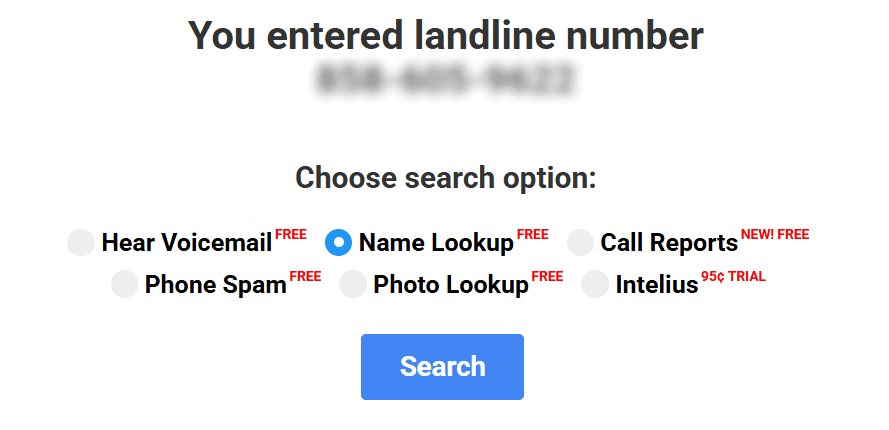
Voicemail: SpyDialer lets you hear an unknown caller’s voicemail.
Call Reports: See what others are saying about the number you searched.
Phone Spam: View the number’s spam score.
Intelius Reports: Take your search over to Intelius for in-depth results.
If I were to pick, I’d say the CatfishNumr features are better for identity confirmation and SpyDialer’s for basic intel on the number itself.
Which Has Better Pricing: CatfishNumber or SpyDialer?
SpyDialer is cheaper because it’s free. But CatfishNumber’s prices are more affordable, given the high quality of the service.
SpyDialer is best for basic number lookups, not detailed reports and up-to-date info. Opt for the $0.95 Intelius trial if you want better data.
On the other hand, CatfishNumber is a paid reverse number lookup service in which you pay individually for the number lookup credits.
- 2 searches for $6.95
- 5 searches for $11.95
It’s perfect for users who want to find personal details on number owners, but not optimal for regular reverse number lookups.
Even the low-price plan on CatfishNumber gives great results! A breath of fresh air, as most tools in the market force you to pay more to get more.
Are CatfishNumber or SpyDialer Results More Recent and Accurate?
CatfishNumber’s results were more accurate and recent, and SpyDialer’s were OK, but inconsistent. I used a US and an international number for my test.
What results did CatfishNumber find?
I paid to unlock the full CatfishNumber results, but I was happy with them! It found the correct caller name, precise location, and carrier/line type.
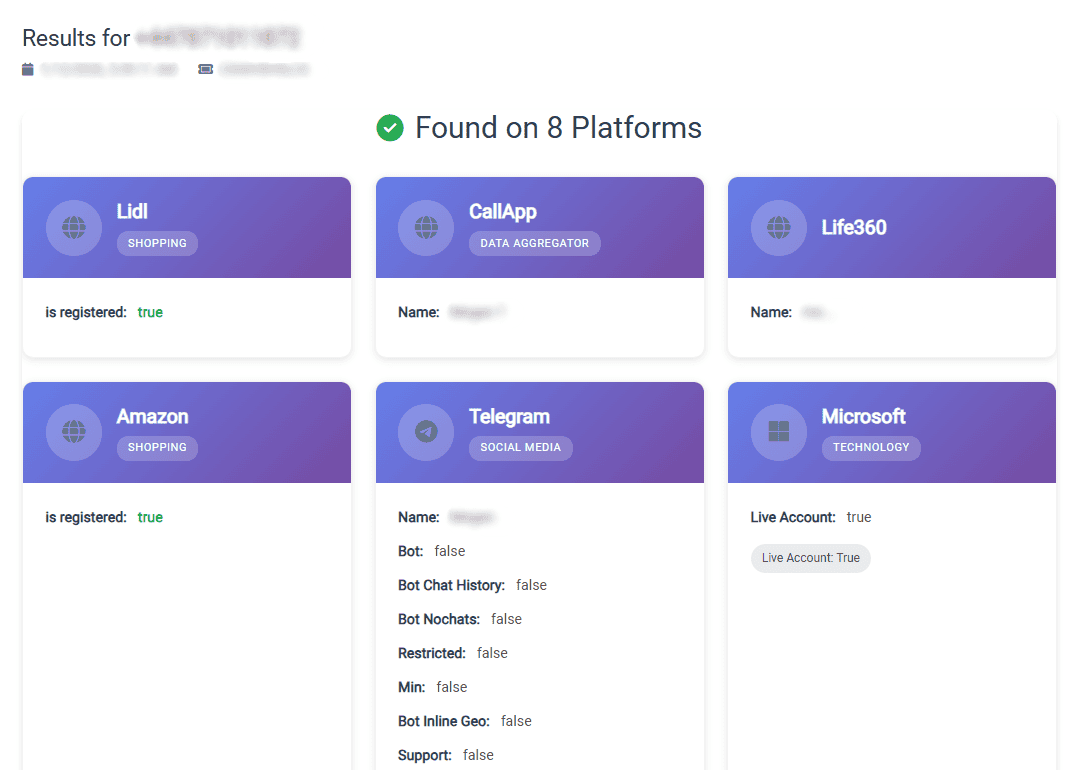
CatfishNumber showed me 8+ platforms on which the number appeared. The risk score showed whether the number is reported for scam or spam.
What did SpyDialer’s report include?
(I couldn’t test a non-US number on SpyDialer because it works only for +1 numbers.)
With SpyDialer, I got the location and number details (carrier & line). I wasn’t too happy with it because key details like names and accounts were missing.
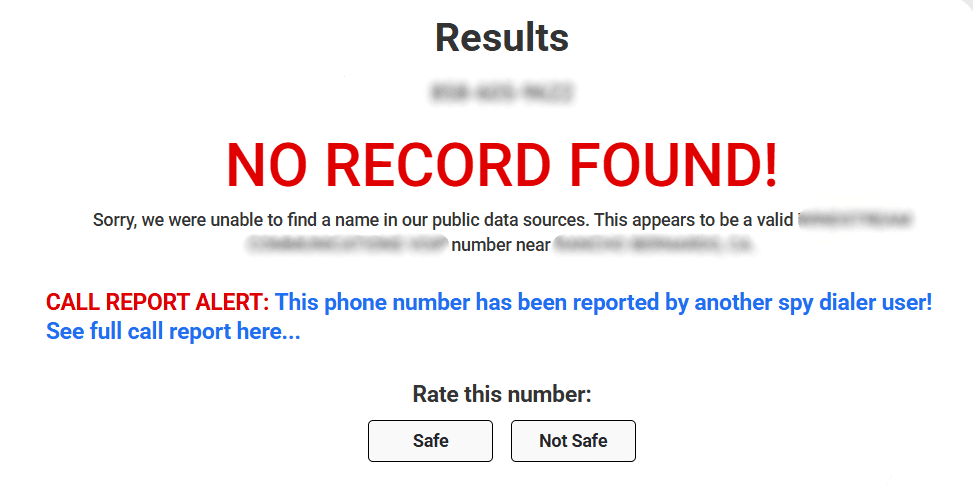
Not complaining since SpyDialer is a free number search tool. The spam score and user reports were available and quite useful, though!
⚡ Speed of Results: Tied
CatfishNumber and SpyDialer were equally fast (it took a few minutes).
| Detail found? | CatfishNumber | SpyDialer |
| Name | ✅ | ❌ |
| Location | ✅ | ✅ |
| Carrier & line type | ✅ | ✅ |
| Linked accounts | ✅ | ❌ |
| Spam & user report | ✅ | ✅ |
| Works globally | ✅ | ❌ |
Where Do CatfishNumber and SpyDialer Fall Short?
CatfishNumber’s disadvantage is that it’s built for personal, short-term use, which worked in my favor since I don’t typically look numbers up.
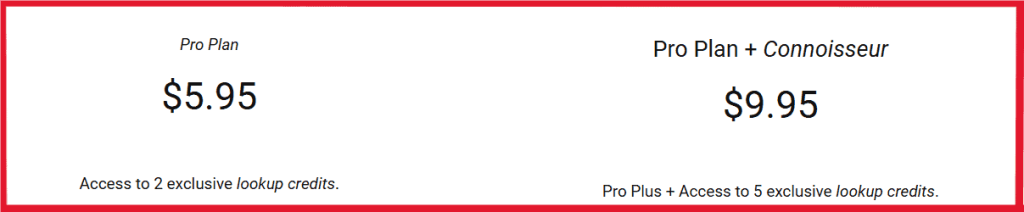
If I owned a business that required frequent number searching, I’d use services with monthly subscriptions (e.g., SocialCatfish).
– As for SpyDialer’s downsides…where do I even start?
As someone who is easily overwhelmed, I didn’t like the constant pop-ups on the SpyDialer site. The bright colors and layout didn’t do it for me either.
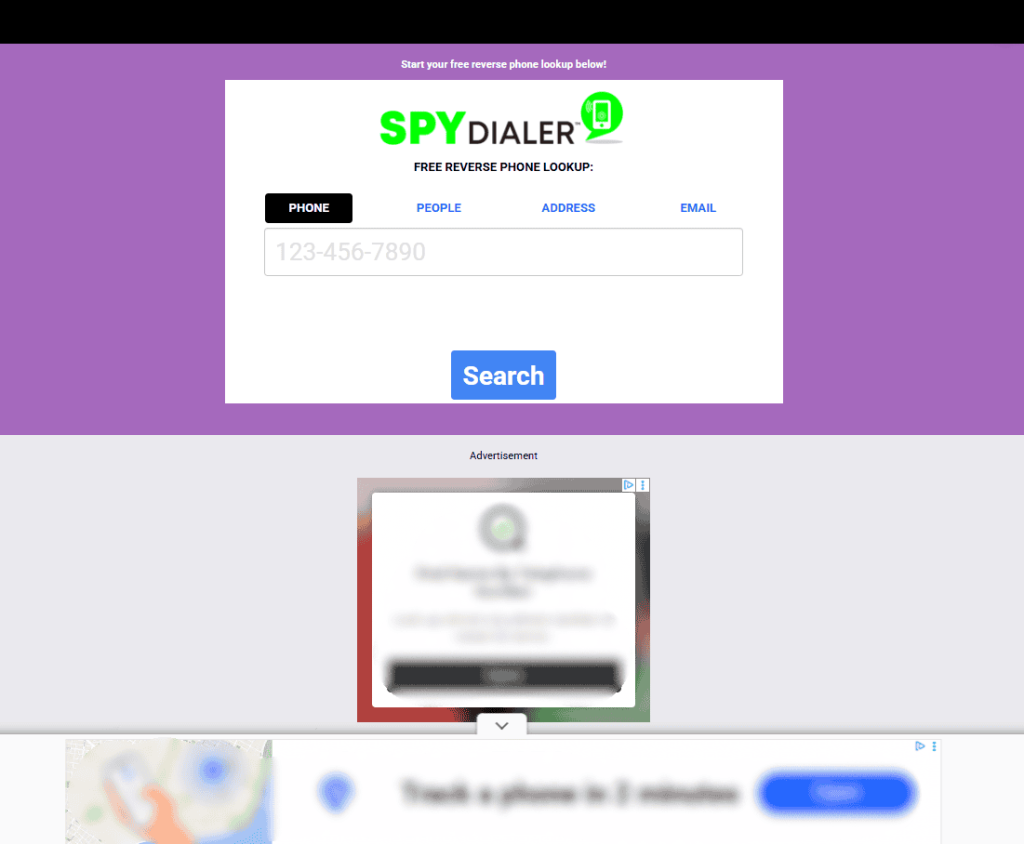
Next, we have the incomplete and inaccurate reports, which SpyDialer warns its users about.

I like how honest SpyDialer is about its limits, but I believe that a little more professionalism could help clear up the users’ confusion.
SpyDialer reminds me of NumLookup in a way, since it’s free with a limited database. I don’t recommend it for work or safety number searching.
If you’re comfortable paying 7 bucks to learn an unknown number’s identity, I say go for CatfishNumber!
Leave a Reply